
Raising well-rounded children isn’t about doing more or filling every moment with activities. It’s about doing the right things consistently — the everyday actions that nurture confidence, curiosity, resilience, and connection.
Here are ten meaningful ways you can support your child to grow into a capable, balanced, and emotionally secure human being — skills they will carry with them throughout their life.
1. Build a strong, loving connection
Children thrive when they feel safe, seen, and deeply loved. Responsive caregiving through listening, comforting, and being emotionally available — forms the foundation for healthy development.
Strong attachments give children the confidence to explore the world, knowing they have a secure base to return to. Attachment-based parenting fosters secure bonds between parent and child, and a child’s sense of self is shaped through these consistent, positive, and present connections.
2. Encourage play (especially free play)
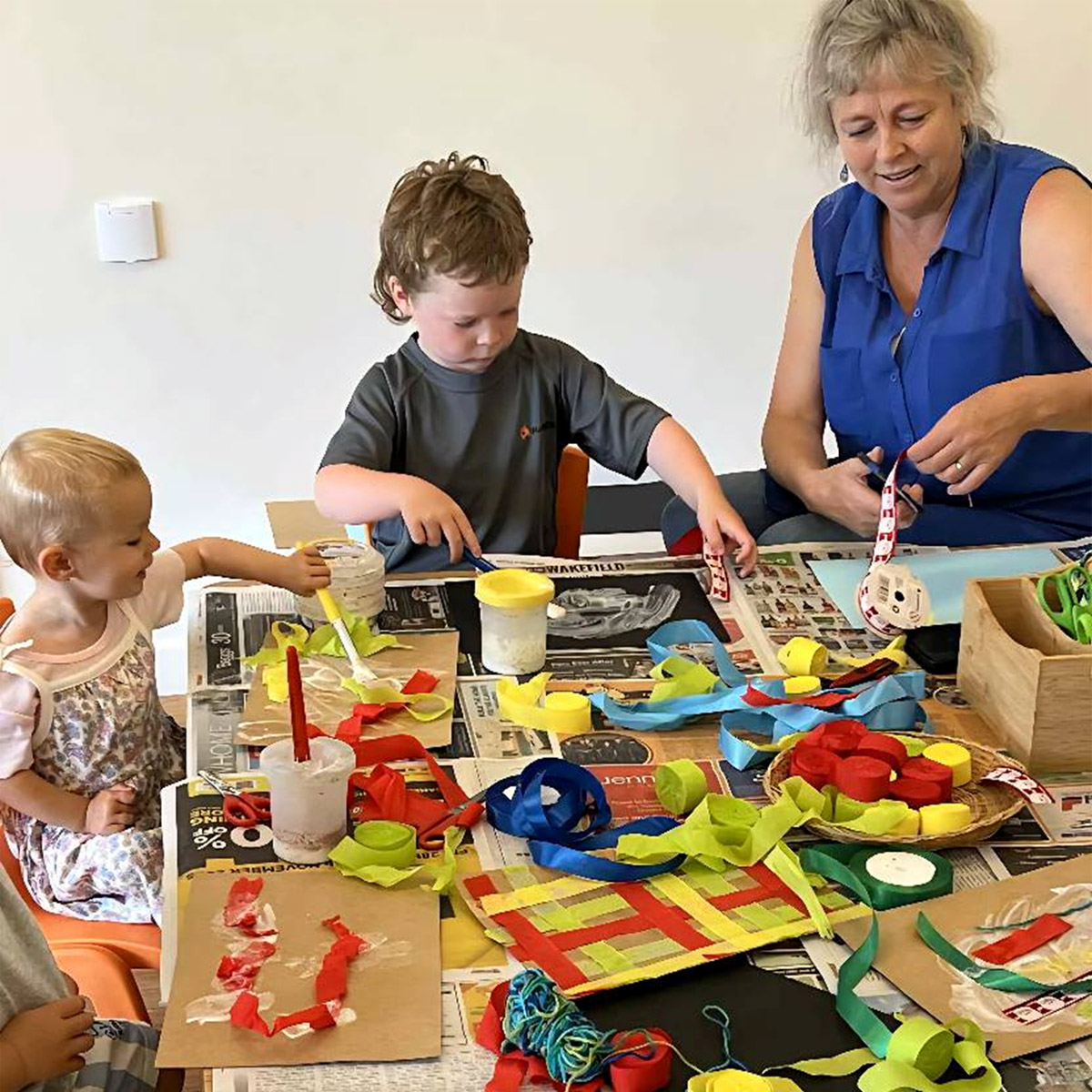
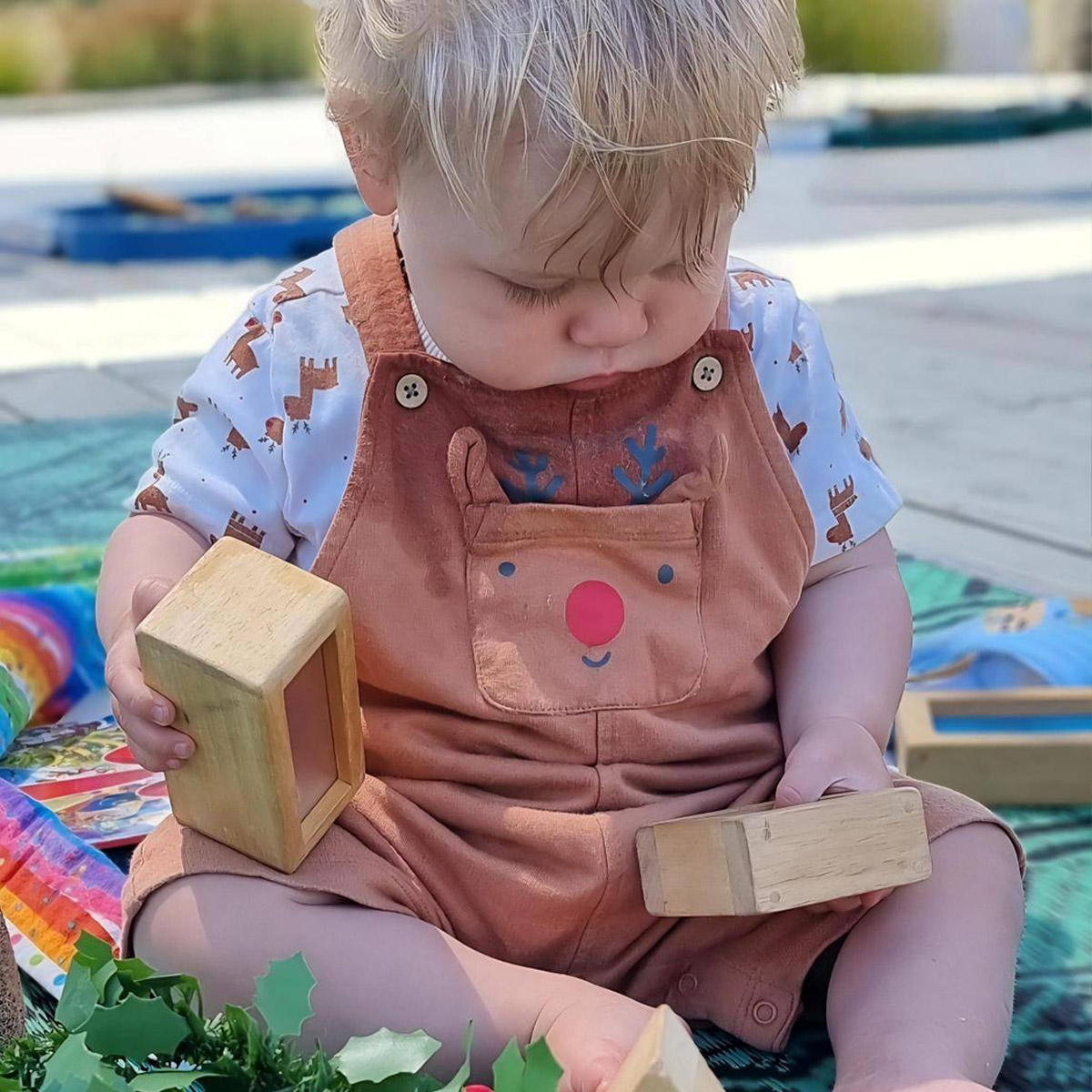
Play is how children make sense of the world. Through play, they develop problem-solving skills, creativity, social competence, and emotional regulation.
Unstructured play allows children to follow their interests, take risks, negotiate with others, and build independence — all essential life skills. At Nurture@Home, we love the saying “Play is the highest form of research” (Albert Einstein), because play truly is children’s most powerful way of learning.
3. Read together every day
Reading with your child supports language development, imagination, empathy, and concentration. It doesn’t need to be long or complicated — even a few minutes a day builds connection and a lifelong love of learning.
Talking about stories together deepens understanding and encourages critical thinking. Initiatives such as 1,000 books before school highlight how children who are read to regularly develop language skills at a faster rate. Take a look! They also develop skills for comprehending not only verbal but non-verbal communication. A highly important skill to be able to interact with others.
4. Let them try (and sometimes fail)
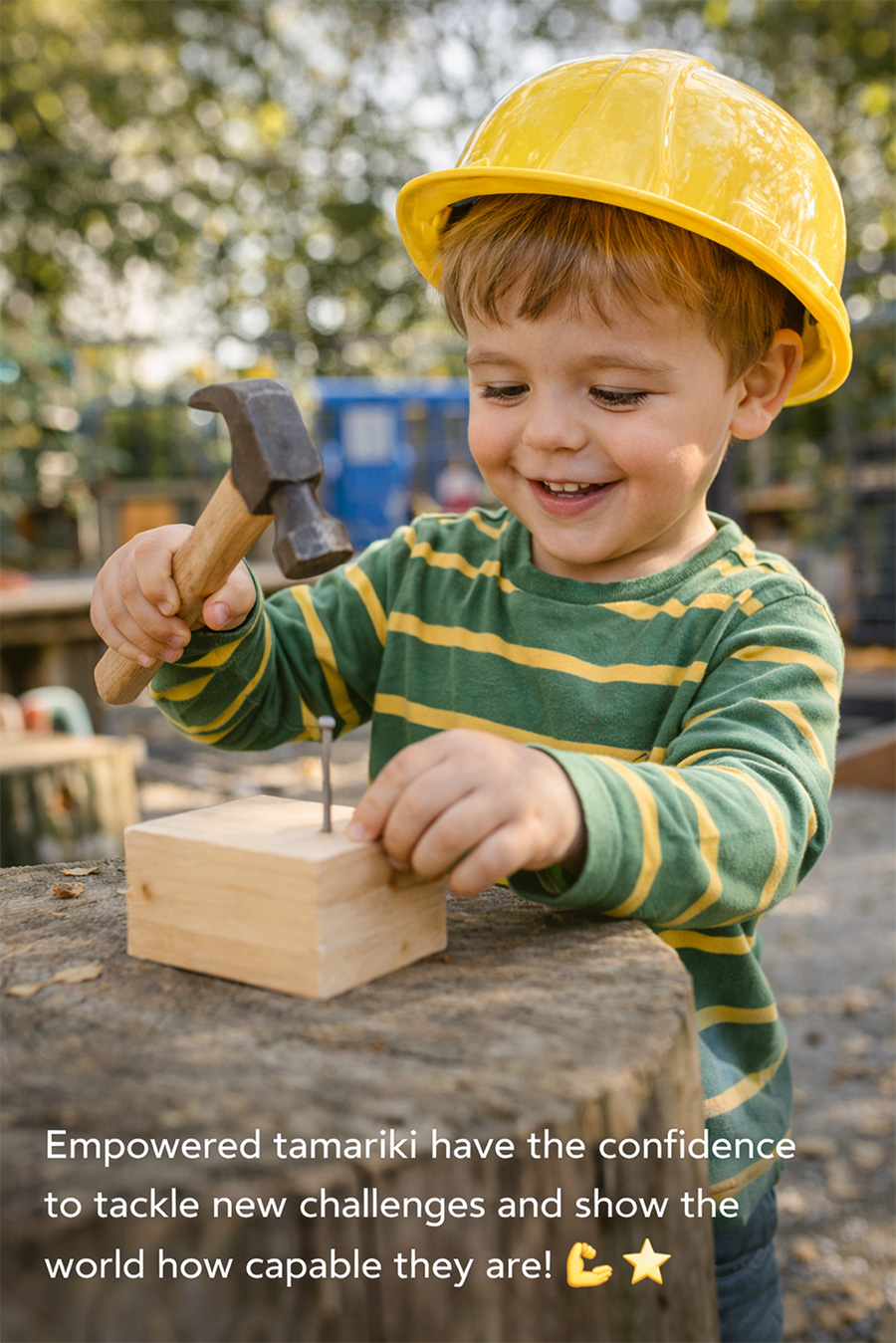
It’s natural to want to step in and fix things, but children grow through challenge. Allowing them to struggle, problem-solve, assess risk, and make mistakes builds resilience and confidence.
When children learn that mistakes are part of learning, they become more willing to try new things and persevere. They develop a sense of identity and courage and begin to see themselves as capable, brave, and intelligent. Decision-making is a huge part of life, and learning to try, fail, and try again supports children to make sense of the world around them as they figure things out.
5. Support emotional literacy
Helping children name and understand their feelings supports emotional intelligence. Acknowledging all emotions — both big and small — and modelling healthy ways to express them gives children tools they will use throughout life.
This includes navigating disagreements, disappointment, frustration, and excitement. When children feel understood, they are better able to manage emotions rather than being overwhelmed by them.
6. Spend time outdoors
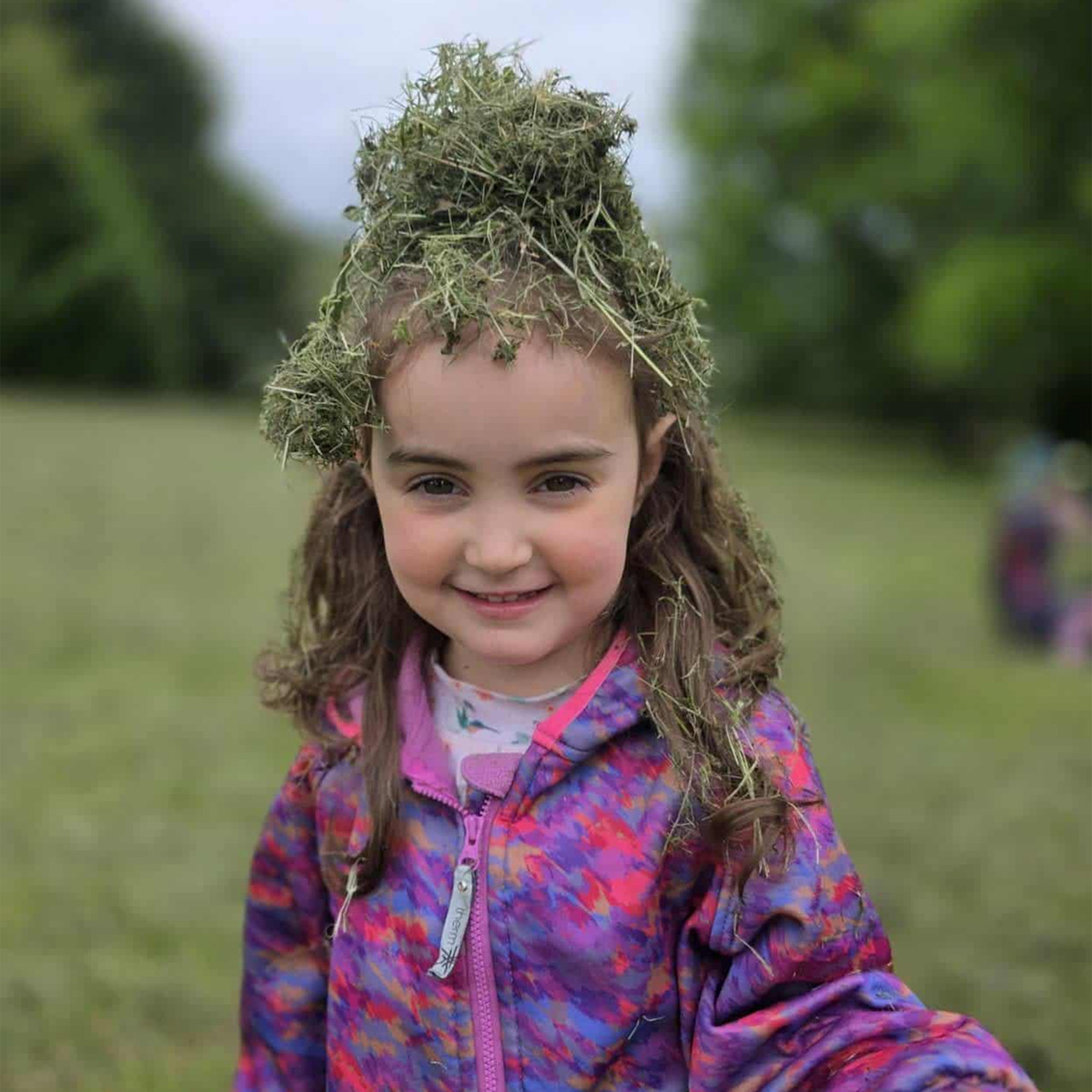
Nature offers endless opportunities for learning and wellbeing. Outdoor play supports physical development, reduces stress, sparks curiosity, and encourages exploration.
Whether it’s a walk, a beach visit, or backyard play, time outside helps children connect with their environment and themselves. At Nurture@Home, we hold weekly NatureFocus sessions during term time as part of our curriculum because we strongly believe that nature is the third teacher and that the benefits of being in nature contribute to healthy, well-rounded and capable little learners who will take all of the learned skills they develop outdoors and carry these through into all areas of their learning and life.
7. Encourage independence
Small responsibilities — choosing clothes, helping prepare food, tidying toys — foster autonomy and self-belief. When children are trusted to do things for themselves, they learn capability and confidence.
Independence grows gradually and is best supported through patient guidance rather than pressure or expectation.
8. Model the behaviours you want to see
Children learn more from what we do than what we say. Kindness, patience, respect, and curiosity are absorbed through observation.
Showing empathy, managing emotions calmly, and treating others with respect teaches children how to move through the world and relate to others.
9. Value their interests and strengths
Every child is unique. Celebrate what lights them up — whether that’s art, movement, building, music, or storytelling.
Valuing children’s interests builds self-esteem and motivation, helping them feel confident in who they are rather than who they think they should be.
10. Create a strong sense of belonging
Children need to feel that they belong — within their family, culture, and community. Shared routines, traditions, and meaningful conversations help children feel grounded and connected.
A strong sense of belonging supports wellbeing, identity, and resilience.
One supportive way to extend this sense of belonging beyond the home is through quality home-based education. Home-based care offers a calm, nurturing environment where children build close, secure relationships with a consistent Educator within a small group setting. This continuity closely mirrors the care children receive from their primary caregivers, supporting emotional security while gently expanding their world.
Home-based education and care blend the familiarity of a home environment with intentional, play-based learning. Children are supported to explore, develop independence, and build social skills at their own pace, while still feeling safe and deeply known. These strong, trusting relationships create the ideal foundation for confident learners who feel secure enough to explore, take risks, and thrive.
Presence over perfection
Supporting your child to become well-rounded isn’t about perfection — it’s about presence. Everyday moments of connection, encouragement, and trust shape children far more than any programme or schedule.
By nurturing the whole child — emotionally, socially, physically, and cognitively — you are giving them the strongest foundation for life.