Why Home-Based Early Learning is Optimal for Children's Development
At Nurture@Home, children thrive in calm home environments where meaningful relationships, individual attention, and regular group learning experiences support confidence, belonging, and discovery.
When children remain in a home-based early learning environment until they start school, they benefit from consistent, nurturing relationships that support emotional security, build confidence, strengthen resilience, and meaningful learning.
The benefits of a smaller group
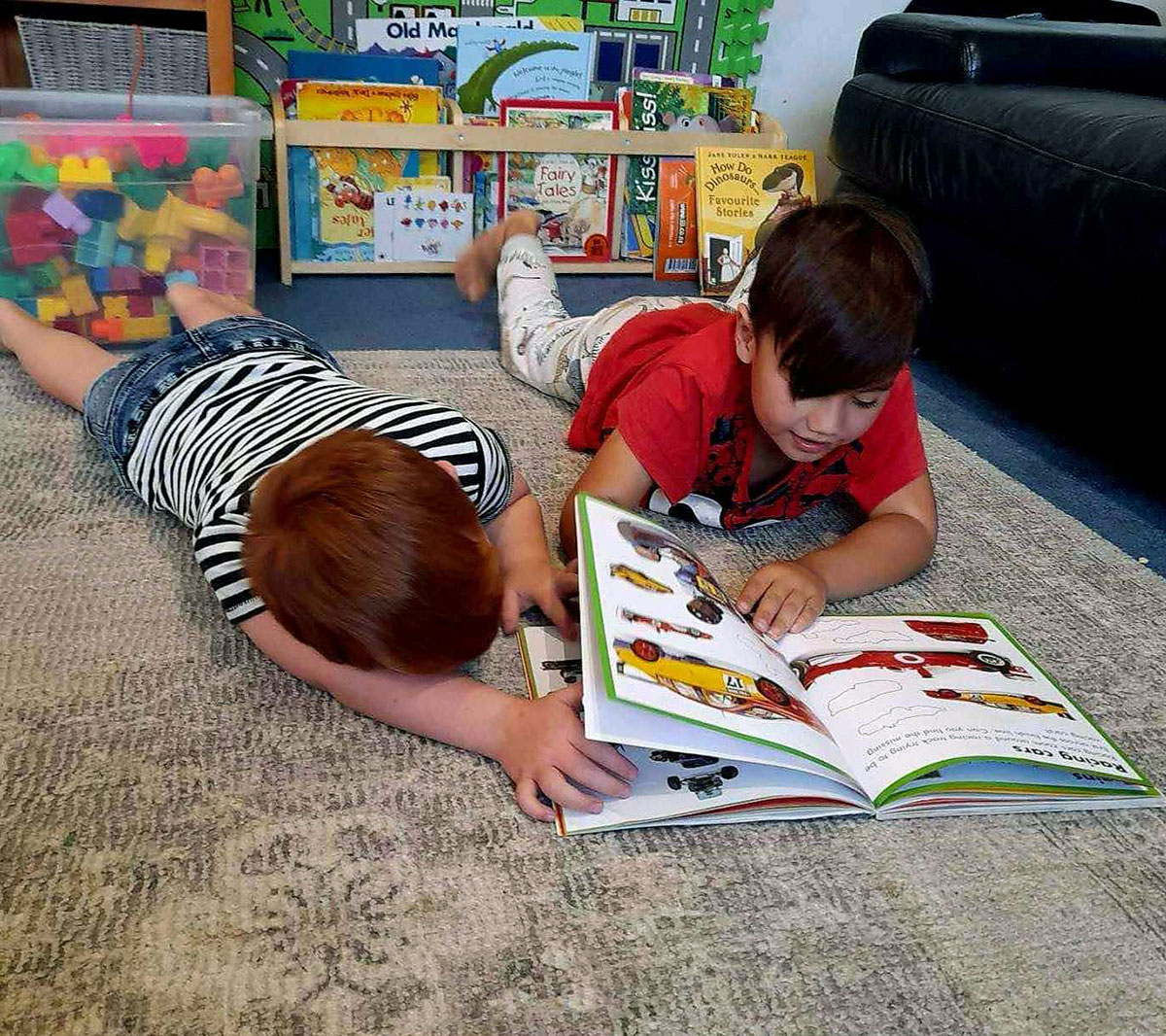
In a home-based setting, children are provided with the individual attention they need, which fosters a deeper sense of security and connection. Research has shown that smaller, more intimate environments, like home-based early learning, have a positive effect on children’s emotional well-being and brain development. One key aspect of this is the management of cortisol, the stress hormone, which can have detrimental effects on children’s development when levels are consistently elevated.
In large group settings, where children are exposed to a greater number of peers, noise, and potential stressors, cortisol levels can rise, which in turn impacts learning, memory, and emotional regulation. Conversely, in smaller, home-based environments, children experience less overstimulation, which helps keep cortisol levels in check and supports a more regulated, calm state conducive to learning.
Creating capable and confident learners
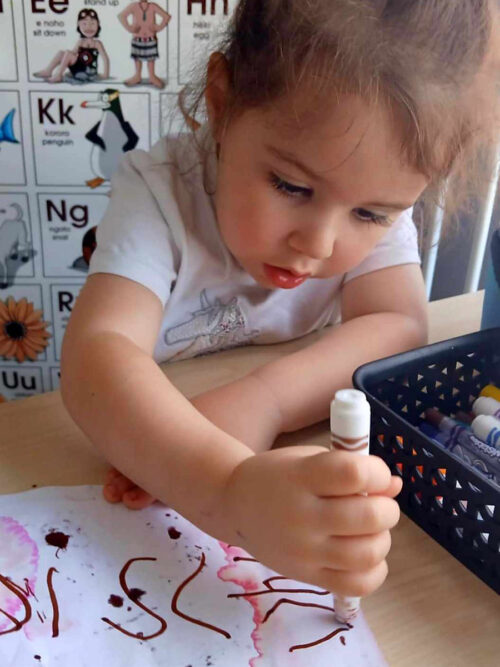
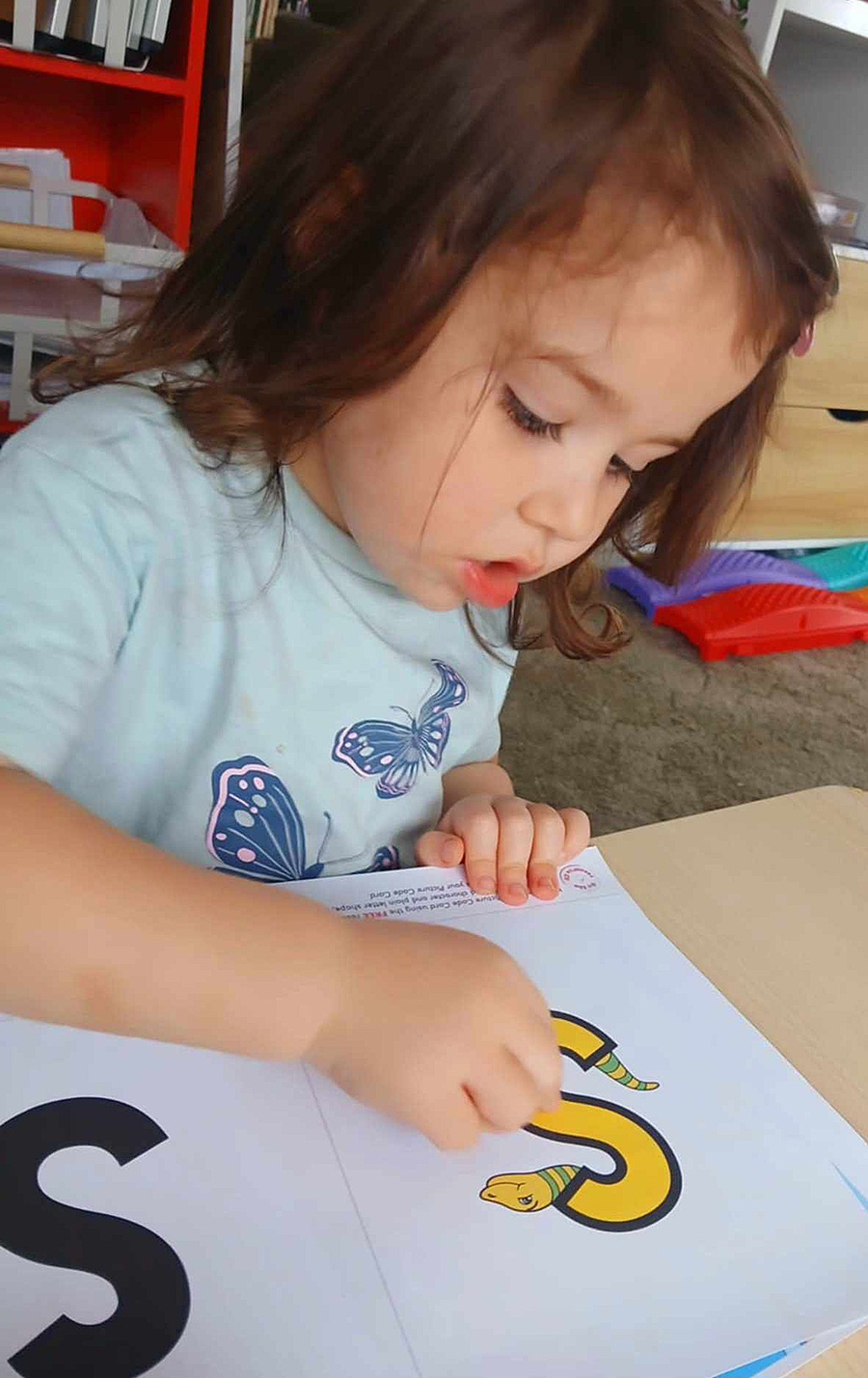
Our Educators engage with children in ways that are authentic and meaningful, facilitating learning within the natural context of play in the home and community. This approach encourages independence, problem-solving, and the development of self-help skills — all of which build confidence and competence. Children are empowered to make decisions, develop communication skills, and collaborate with others, promoting their overall social and emotional development. This aligns with Te Whāriki’s principles of Empowerment (Whakamana) and Contribution (Mana Tangata), where children are viewed as capable and confident learners who actively participate in their own learning.
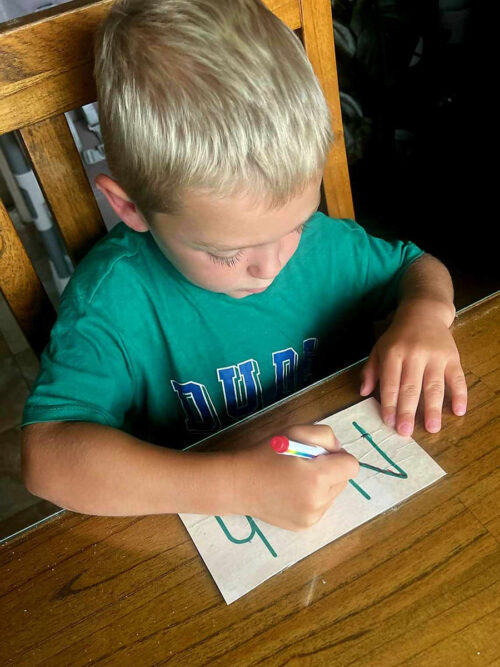
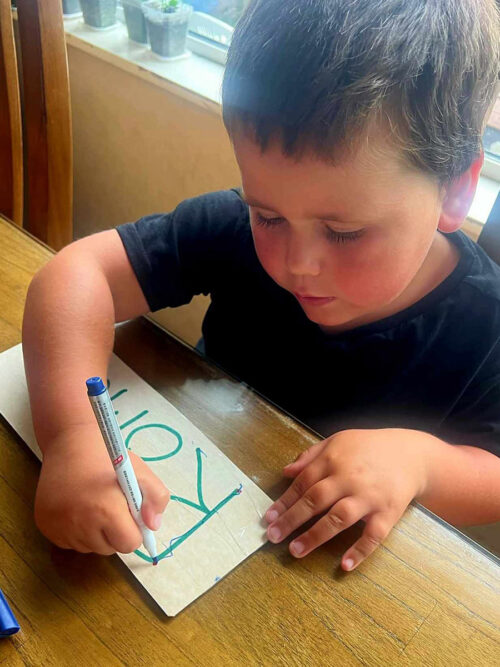
Additionally, our transition to school programme emphasises meaningful numeracy and literacy skills, ensuring that children are well-prepared to transition into formal schooling. By fostering an environment where children are seen as capable and competent learners, we lay the foundation for their future educational pathway, encouraging lifelong curiosity and a love for learning. This approach is in line with the Holistic Development (Kotahitanga) strand of Te Whāriki, where learning is integrated and supports all aspects of a child’s growth.
Research supports the individualised approach
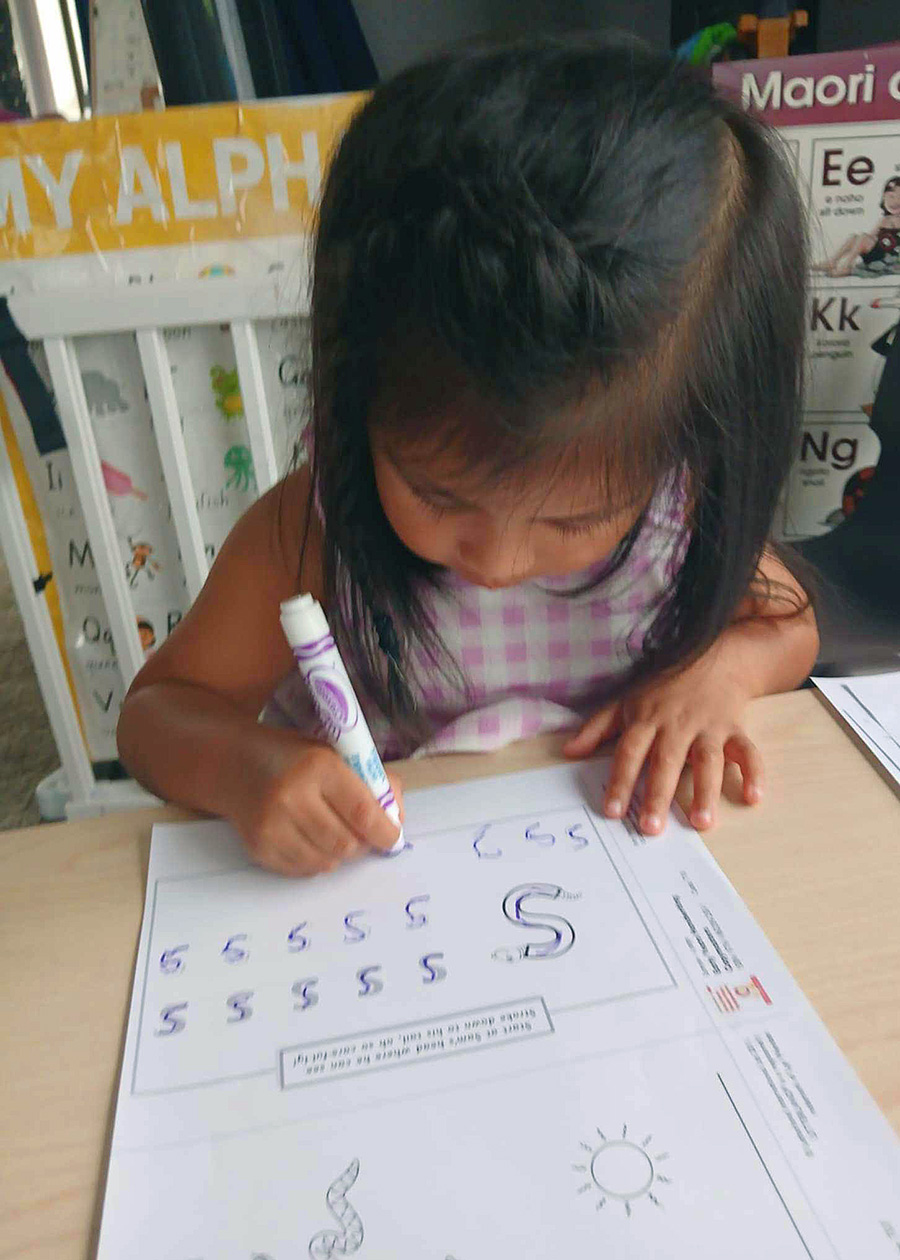
Research also supports this individualized approach, showing that the more personalised and consistent the early learning experience, the more likely children are to thrive emotionally and academically. The continuity of care in a home-based setting helps create stable, secure relationships with educators and peers, which is critical for a child’s development. This aligns with Te Whāriki’s principle of Relationships (Ngā Hononga), where strong, supportive relationships are at the heart of children’s learning experiences.
In sum, home-based early learning allows for a balance of structured learning and emotional security, keeping cortisol levels in check and allowing children to thrive in ways that larger, group-based settings cannot always provide. This approach aligns deeply with Te Whāriki, ensuring that children grow as capable, competent, and confident learners (Empowerment – Whakamana) while building a strong foundation for their future education journey.